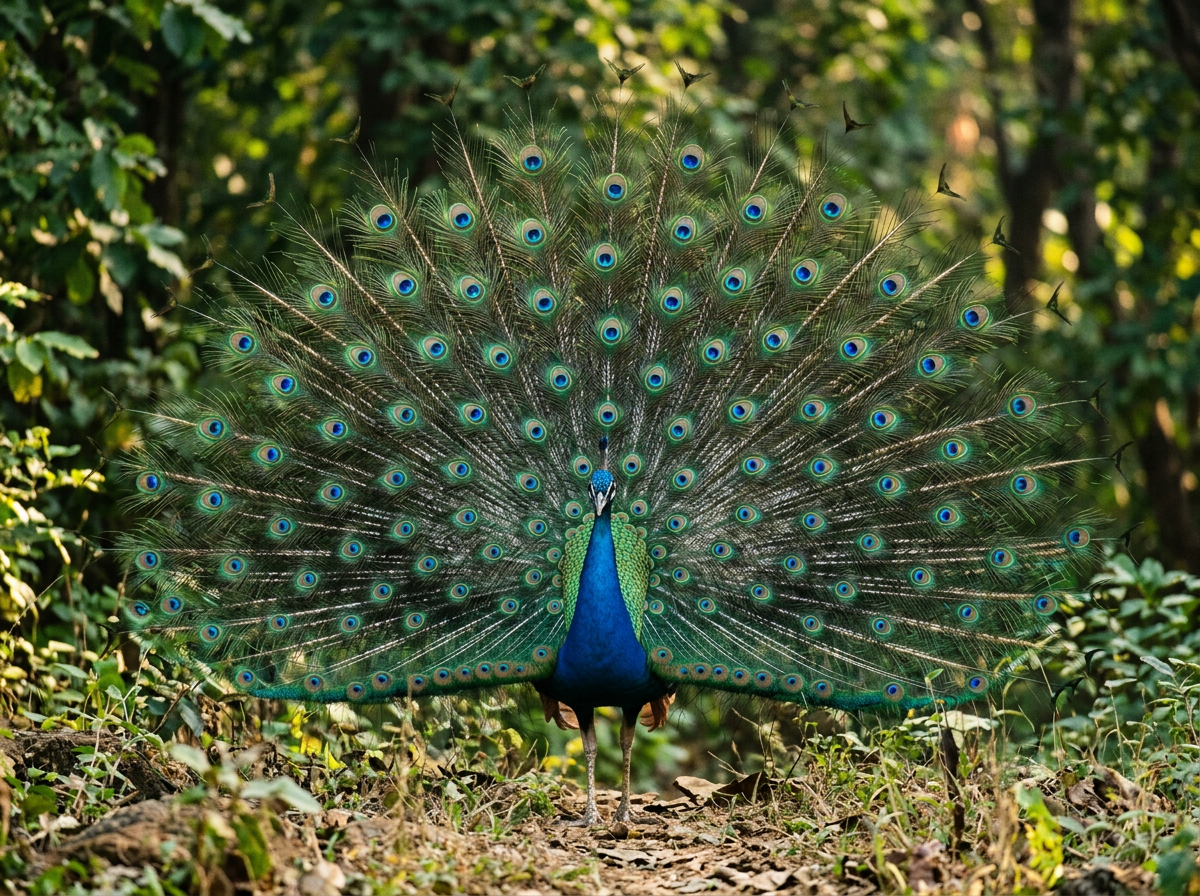
The peacock is the national bird of India. Specifically, it is the Indian peafowl (Pavo cristatus), and the Government of India made it official on 1 February 1963. If you have seen the phrase 'the peacock is our national bird,' that 'our' refers to India. This is not a nickname or an informal label. It is a formal national symbol, the same way India has a national animal (the Bengal tiger) and a national flower (the lotus).
Peacock Is National Bird of India: Reasons in Plain Words

Marcus Chen
23 Mar 2026
Why India chose the peacock
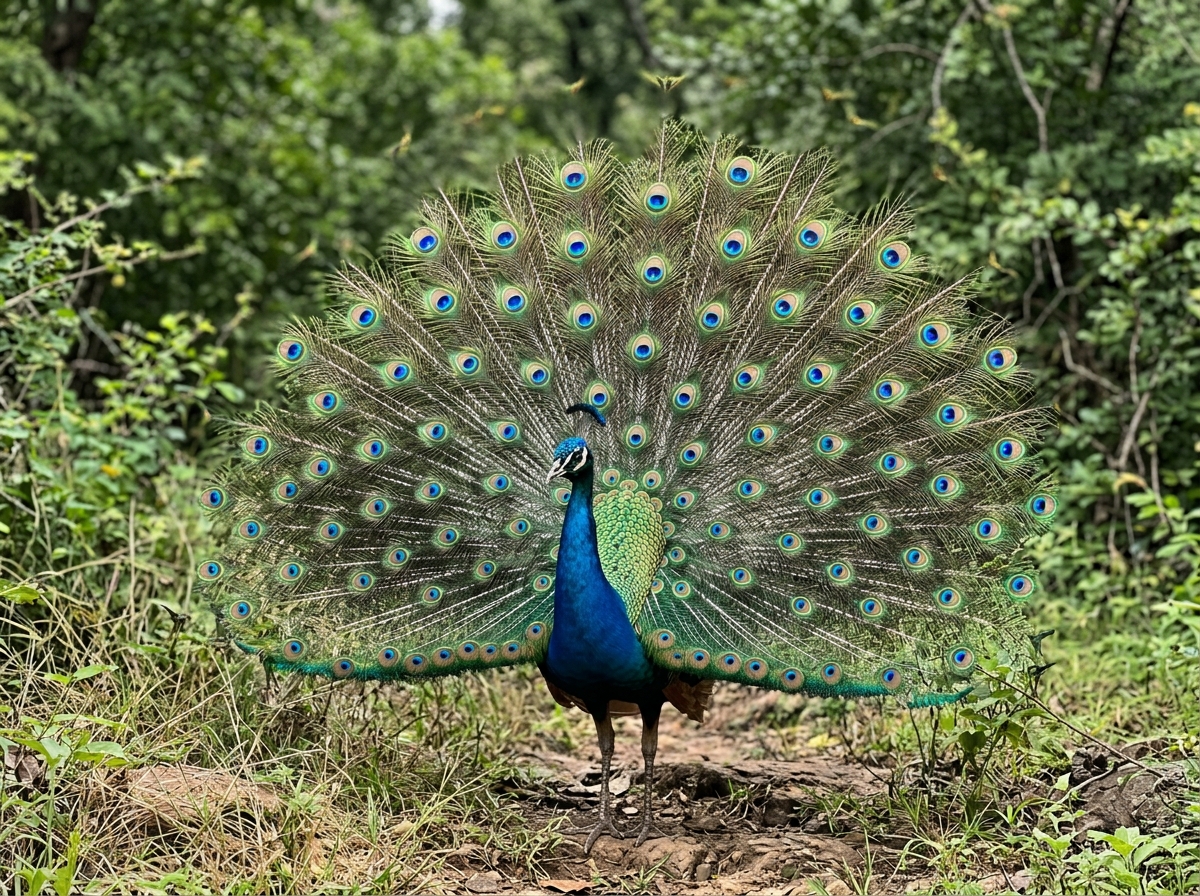
The short answer is this: the peacock ticked every box a national symbol needs to tick. It is native to the Indian subcontinent, it is instantly recognizable, and it has been woven into Indian culture, religion, and mythology for thousands of years. No other bird comes close to that combination.
On the cultural and religious side, the peacock appears across Hindu traditions in a very prominent way. It is the vahana (vehicle or mount) of Kartikeya, the Hindu god of war. It is also associated with Saraswati, the goddess of knowledge and the arts. That kind of deep religious symbolism means the bird carries meaning for hundreds of millions of people, not just as a pretty animal but as something genuinely sacred.
Buddhist traditions connect to the peacock as well. In Mahayana and Vajrayana Buddhism, there is a wisdom deity called Mahamayuri, whose name literally means 'Great Peacock.' The Kyoto National Museum describes how the peacock's image crystallized into Buddhist iconography over centuries. So the bird holds spiritual weight in two of the world's major religions, both of which have deep roots in India.
Beyond religion, the Indian peafowl is native to the subcontinent. It is not an exotic import or a borrowed symbol. It lives naturally across India and Sri Lanka and was already part of everyday rural life when the decision was made in 1963. That geographic reality matters: a national bird should actually belong to the land it represents.
Key facts worth knowing
Here is a quick reference to the most useful facts about the peacock as India's national symbol.
| Detail | Fact |
|---|---|
| Scientific name | Pavo cristatus |
| Official designation date | 1 February 1963 |
| Designated by | Government of India |
| Native range | Indian subcontinent (India, Sri Lanka, nearby South Asia) |
| IUCN conservation status | Least Concern |
| Legal protection in India | Protected under the Wildlife (Protection) Act, 1972 (Schedule I) |
| Key physical features | Fan-shaped crest, long slender neck, white patch under the eye, iridescent tail feathers |
| Religious associations | Kartikeya (Hinduism), Saraswati (Hinduism), Mahamayuri (Buddhism) |
One thing worth highlighting: the peacock being listed as Least Concern by the IUCN does not mean it has no protection. In India, it is fully protected under Schedule I of the Wildlife (Protection) Act, 1972, which is the highest level of protection Indian law provides. Harming or killing a peacock is a serious criminal offence.
What 'national bird' actually means (and clearing up common confusion)
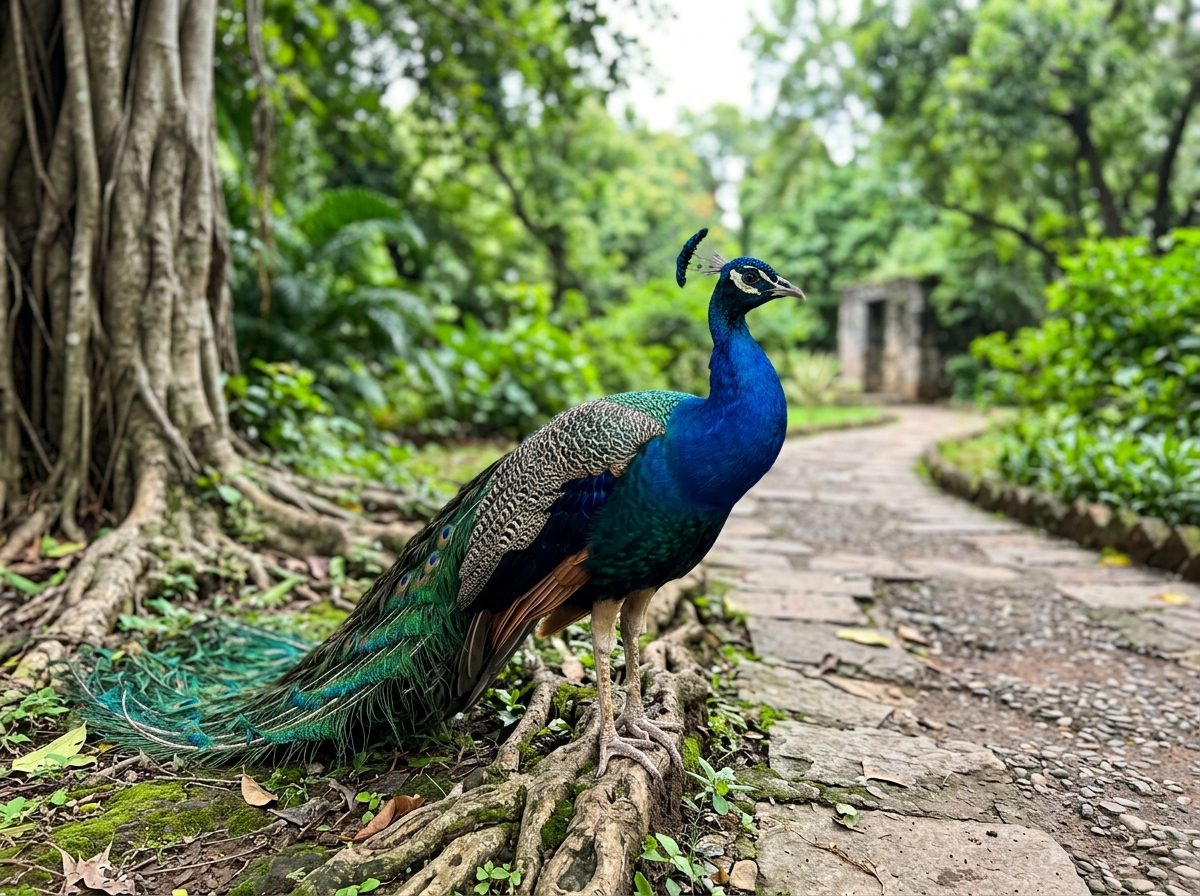
A national bird is a formal national symbol, an official representative of a country's identity and values. India's government treats it under the category of 'National Identity Elements,' the same grouping that covers the national flag, anthem, and emblem. So when someone says 'why is the peacock called the national bird of India,' the answer is not complicated: the government formally declared it so, and it earned that status through cultural, religious, and ecological significance.
There is sometimes confusion because people phrase the question in different ways: 'why national bird is peacock,' 'why is peacock our national bird,' or 'the peacock is our national bird.' All of these refer to India. There is no ambiguity here. The peacock is not the national bird of any other major country in the same prominent sense, though some sources note that peafowl appear in the heritage of Sri Lanka as well. If you want to explore which other countries use the peacock as a national symbol, that is worth a separate look (the country-whose-national-bird-is-the-peacock angle goes a bit deeper on that).
Another question that comes up: 'why is peacock the national bird and not some other bird?' The selection considered broad recognisability across India, the bird's presence throughout Indian art and literature for millennia, and its religious and legendary involvement in Indian traditions. No other Indian bird had all three of those qualities to the same degree.
For Tamil-speaking readers: மயில் இந்தியாவின் தேசிய பறவை
Tamil-speaking readers often search for this topic in Tamil or want the explanation in a familiar form. Here is the core answer in plain terms.
Tamil-language materials use the phrase 'தேசிய பறவை' (thesiya paravai) to mean 'national bird.' The peacock in Tamil is 'மயில்' (mayil). So the full phrase is: 'மயில் இந்தியாவின் தேசிய பறவை', 'The peacock is the national bird of India.' The Government of India officially declared this on 1 February 1963. The peacock was chosen because of its deep connection to Indian culture, Hindu religious traditions (including its role as Kartikeya's mount), and because it is a bird native to the Indian subcontinent. In Tamil culture, the peacock (மயில்) is also closely associated with Lord Murugan, making it especially meaningful in Tamil Hindu traditions.
The scientific name is Pavo cristatus. The bird is legally protected in India under the Wildlife (Protection) Act, 1972. Its IUCN status is Least Concern, meaning it is not endangered globally, but it is still fully protected under Indian law.
Where to go next on this site
If the peacock brought you here, you might find the deeper dives on this site genuinely interesting. There is a full article on why the peacock is India's national bird specifically, which goes further into the 1963 declaration and the symbolism angle. There is also coverage of which year the peacock was officially declared the national bird, for readers who need that date confirmed precisely.
If you are curious about how other countries choose their national birds, this site covers the full global picture. Japan's national bird, for example, is the green pheasant is the national bird of which country, which is a fascinating contrast to the peacock because the reasons Japan chose it are quite different from why India chose theirs. Each country's choice tells you something real about its culture and values.
The best starting point for exploring other countries is the country index on this site, where each nation's national bird is listed alongside the symbolism and history behind the choice. Whether you are a student working on an assignment, a bird enthusiast, or just curious after seeing the NYT Mini crossword clue about a [country whose national bird is the peacock](C8FCA0ED-72ED-46D2-922B-2E77FC75D8FA), there is a lot more to find here. country whose national bird is the peacock nyt mini
FAQ
Is the “peacock” in the national-bird name just a nickname, or is it an exact, official species?
It is official and refers to the Indian peafowl (Pavo cristatus), not “any peacock” you might see. If you are writing or citing the fact, use the species name to avoid confusion with other peafowl varieties.
What does “officially made it national bird” mean in practice? Is it a law, a notification, or just a designation?
In practice, it means the Government of India formally declared the Indian peafowl as the national bird on 1 February 1963. For legal matters like protection and penalties, the relevant details come from wildlife law, where the species is regulated separately from its national symbol status.
If the peacock is “Least Concern” globally, why do people say it is protected in India?
Global status (like Least Concern) is about worldwide extinction risk, not local harm. India treats the bird as protected under Schedule I of the Wildlife (Protection) Act, 1972, so illegal killing or harming is still a serious offense even if the species is not globally endangered.
Are peacocks in captivity treated the same as wild peacocks under Indian protection rules?
The protection framework is meant to prevent harm to the species. In general, owning or trading that involves illegal capture, harm, or possession without proper authorization can run into legal trouble, so it is safest to check permits and local rules rather than assuming “captive” changes everything.
Is the national-bird designation the same as being the national animal, or national identity element for other symbols?
Not exactly. The peacock is a national bird and is handled under India’s broader set of national identity elements, but it is still a distinct category from national animal, national flower, or national emblem. That distinction matters in school assignments and formal writing.
Does every peafowl-looking bird count as the peacock national bird, for example in different regions or countries?
No. The national bird is specifically the Indian peafowl (Pavo cristatus). Other peafowl types may look similar, but they are not automatically covered by the national-bird designation.
What is the correct way to write it in Tamil, and does it change the meaning?
Tamil materials typically use “தேசிய பறவை” for “national bird,” and “மயில்” for “peacock.” The phrase “மயில் இந்தியாவின் தேசிய பறவை” matches the intended meaning, and it refers to India’s national bird as stated in English.
Why do some websites say peafowl appear in other countries’ heritage, but India’s choice is still “the” national bird?
Because national-bird status is a formal governmental designation. Mentions of peafowl in heritage or culture do not automatically mean a country has officially adopted the bird as a national symbol.
Next Article
What Is Japan’s National Bird? Meaning and History
Learn what Japan’s national bird is and why it became a national symbol, plus history and common confusion.