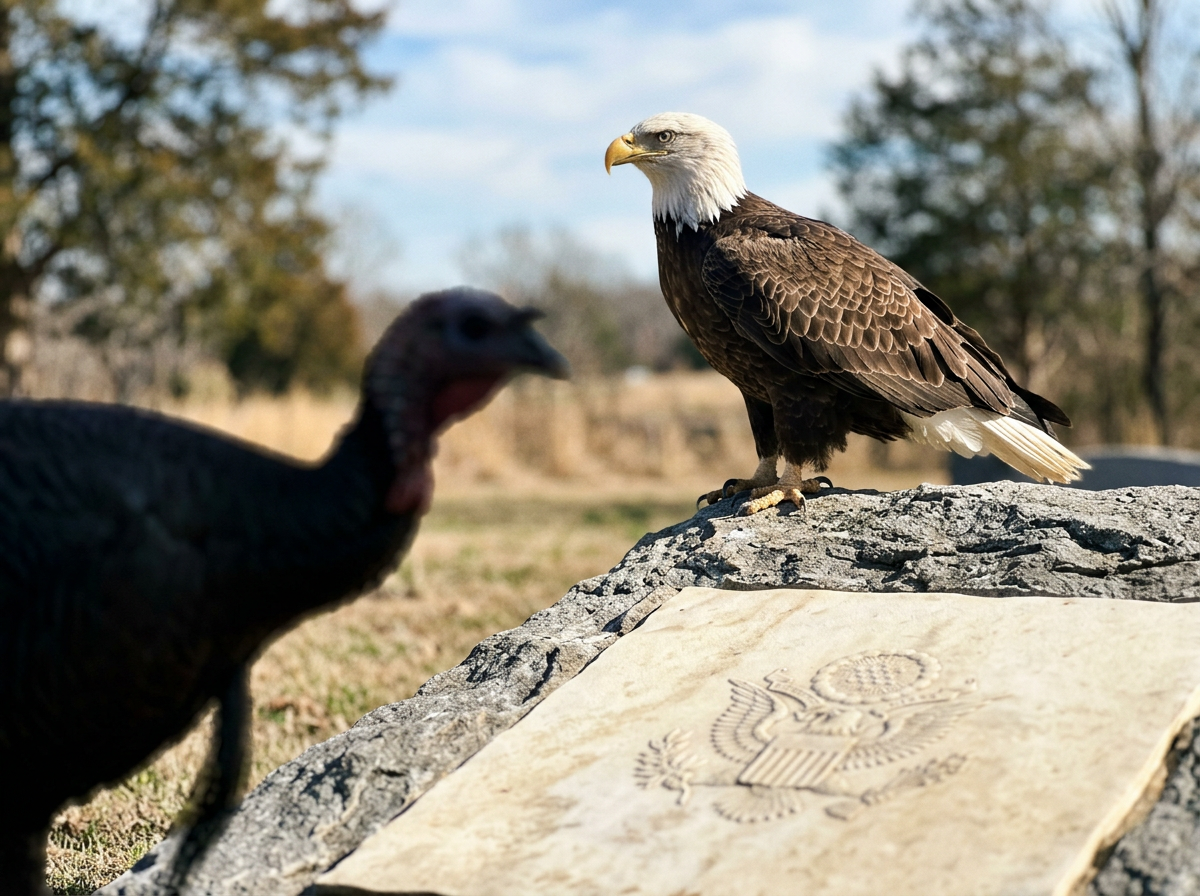
America's national holiday bird is the [bald eagle](/national-bird-origins/what-is-national-bird). It is the official national bird of the United States, codified under 36 U.S. Code § 306, and it has served as the country's national emblem since the Great Seal was adopted on June 20, 1782. It is the official national bird of the United States, codified under 36 U.S. Code § 306, and it has served as the country's national emblem since the Great Seal was adopted on June 20, 1782. If you searched this phrase hoping for a quick, definitive answer, that's it.
What Is America’s National Holiday Bird? Answer

Marcus Chen
23 Mar 2026

What 'National Holiday Bird' Actually Means
The phrase 'national holiday bird' is a bit ambiguous, and it's worth unpacking before going further. It can mean two different things depending on context.
- The official government-designated national bird of the United States, which is the bald eagle.
- The bird most associated with a specific American holiday, most often the turkey at Thanksgiving, which is casually called the 'holiday bird' in everyday language.
Most people searching this phrase are really asking about the first meaning: the bird that represents America as a national symbol. And that bird is unambiguously the bald eagle. The turkey connection is a cultural one tied to holiday meals, not to any official government designation. The bald eagle holds that formal title.
The Bald Eagle as America's National Bird
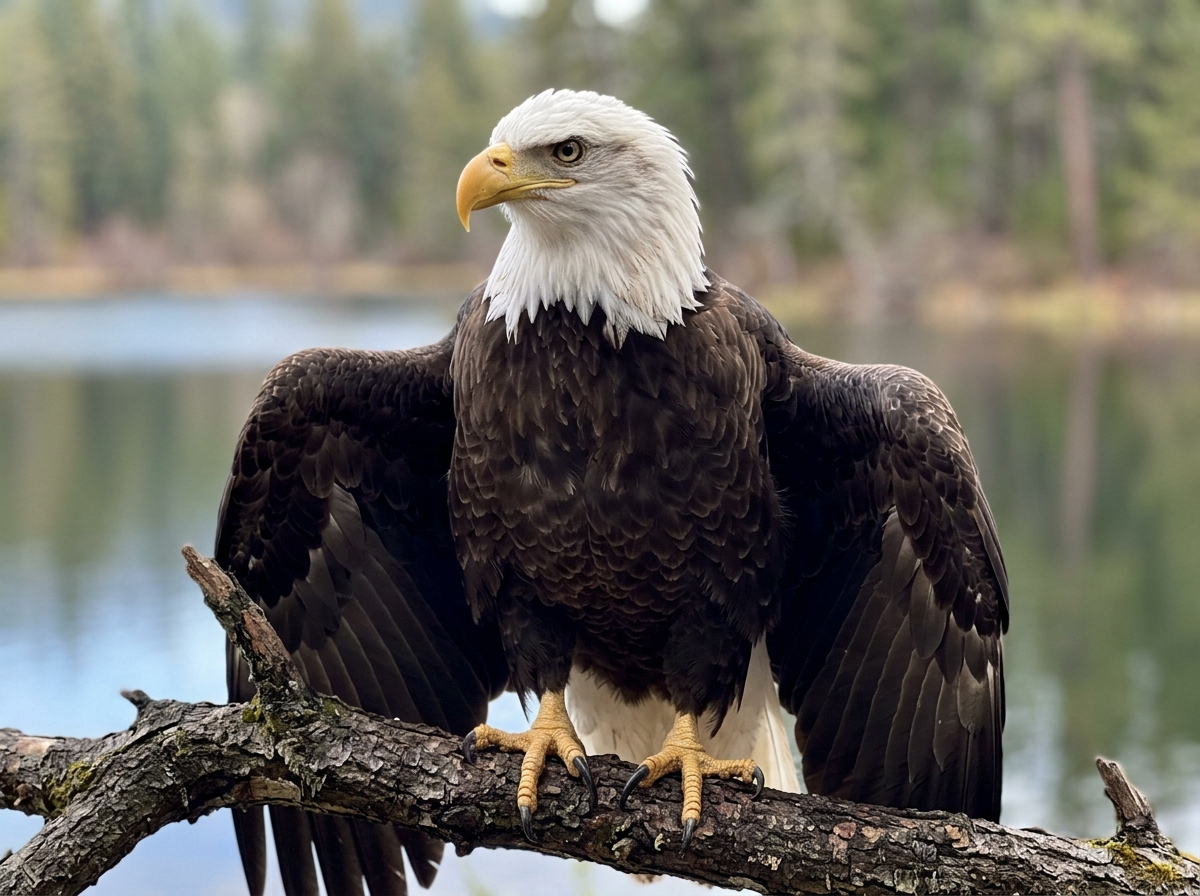
The bald eagle's role as the U.S. national bird is not recent. Its roots go back to 1782, when the Continental Congress adopted the Great Seal of the United States on June 20th of that year. The seal placed a bald eagle at its center, holding an olive branch in one talon (representing peace) and a bundle of arrows in the other (representing military strength). From that moment, the bald eagle became inseparable from American national identity.
For most of American history, the bald eagle was treated as the national bird by tradition and widespread usage rather than explicit law. That changed with Public Law 118-206, approved on December 23, 2024, and enacted on December 24, 2024, which formally designated the bald eagle as the national bird under 36 U.S. Code § 306. So while the eagle had been America's de facto national bird for over 240 years, its legal status as the official national bird is actually quite recent.
The U.S. National Park Service states it plainly: the bald eagle 'is the national bird and symbol of the United States of America.' The U.S. Fish and Wildlife Service and the Architect of the Capitol echo the same point, connecting the bird directly to American freedom and democratic values.
Why the Bald Eagle Carries So Much Symbolic Weight
The founders did not choose the bald eagle at random. The bird was seen as native to North America, powerful, and visually striking in a way that felt fitting for a new republic asserting its sovereignty. It appears on the Great Seal, on the Presidential seal, on currency, on official government buildings, and in official artwork across Washington, D.C. The Architect of the Capitol describes it as 'emblematic of American freedom and democracy,' which captures why it became such a recurring image in national life.
The bald eagle also carries a conservation story worth knowing. By the mid-20th century, populations had collapsed dramatically due to habitat loss, hunting, and the effects of the pesticide DDT. Federal protections under the Bald and Golden Eagle Protection Act and later the Endangered Species Act helped the population recover. The species was removed from the endangered species list in 2007, and its recovery is now cited as one of the more notable wildlife conservation successes in U.S. history.
The Great Seal's eagle holds 13 arrows and an olive branch with 13 olives, both representing the original 13 colonies. Above the eagle's head sits a 'glory' of 13 stars. These design details were deliberate, tying the bird directly to the founding of the nation rather than treating it as a decorative afterthought.
Common Confusions: The Turkey, the Golden Eagle, and the Franklin Myth
The Turkey Confusion
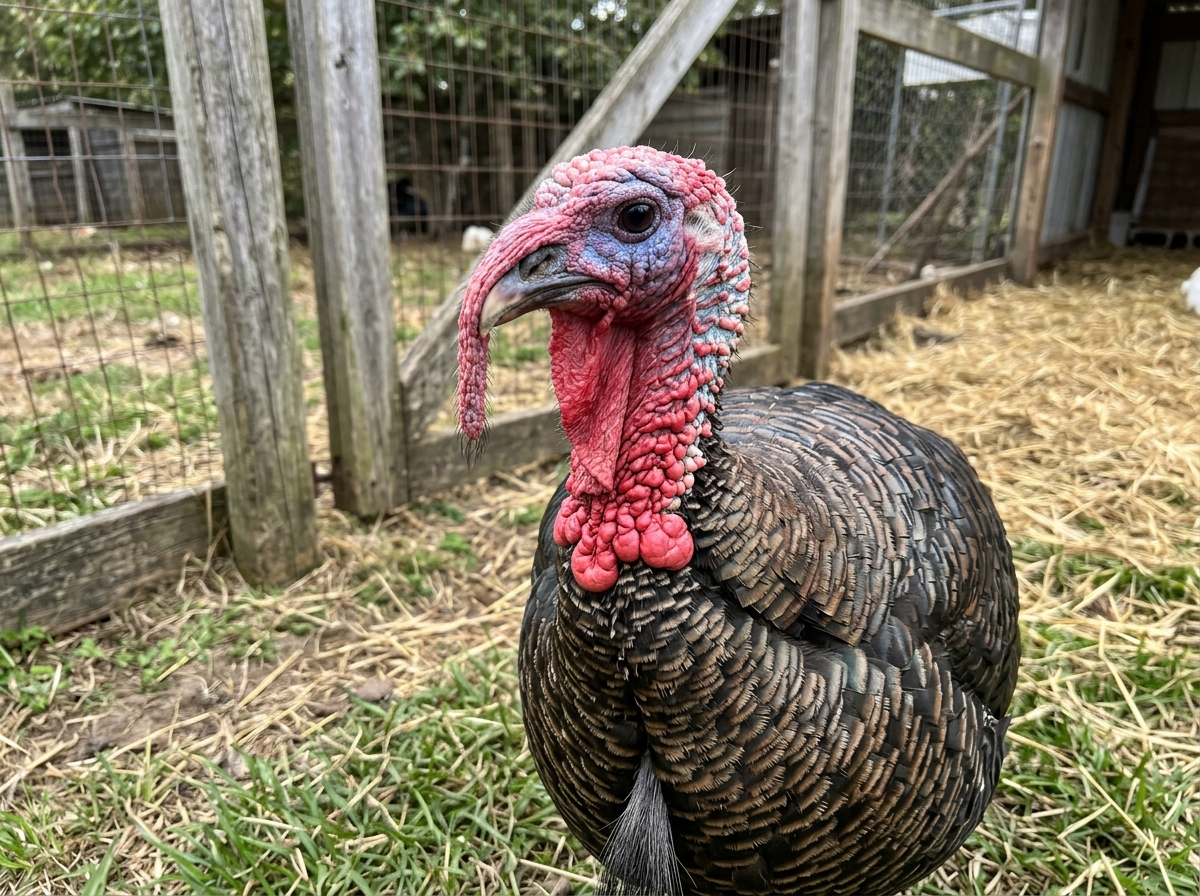
The turkey comes up constantly in conversations about America's national bird, almost always in connection with a story about Benjamin Franklin. The popular version of that story is that Franklin wanted the turkey to be the national bird instead of the bald eagle. It is one of the most repeated myths in American history, and it is not accurate. what did ben franklin want the national bird to be
What Franklin actually wrote was a private letter to his daughter in January 1784, criticizing the design of an eagle insignia used by the Society of the Cincinnati. He thought the design looked more like a turkey than a noble eagle, and he used that observation to make a playful point about the turkey being, in his view, a 'more respectable Bird' compared to the 'bad moral character' of the bald eagle. That is a long way from formally proposing the turkey as a national symbol. The Franklin Institute has examined the original documents and concludes the turkey-as-national-bird claim is false. The myth became especially popular after a 1962 New Yorker cover and has been circulating ever since.
The turkey's strongest claim to holiday-bird status is cultural, not political: it is the traditional centerpiece of the Thanksgiving meal. That is where the 'holiday bird' language in everyday conversation usually comes from. It has nothing to do with official national symbolism.
The Golden Eagle Confusion
The golden eagle is another bird that sometimes gets mixed into conversations about the U.S. national bird. In the field, bald eagles and golden eagles can look similar, especially juveniles or birds seen at a distance. Both are large raptors found across North America, and the Bald and Golden Eagle Protection Act covers both species. But only the bald eagle is the national bird. The golden eagle is protected and respected, but it does not hold a national symbol designation.
| Bird | Official National Bird? | Holiday Association | On the Great Seal? |
|---|---|---|---|
| Bald Eagle | Yes (36 U.S.C. § 306) | Patriotic holidays and ceremonies | Yes, since 1782 |
| Turkey | No | Thanksgiving (holiday meal tradition) | No |
| Golden Eagle | No | None | No |
How to Confirm This and Dig Deeper
If you want to verify what you have read here or explore further, there are a few straightforward places to go. The legal text is at 36 U.S. Code § 306, which is publicly available through the Legal Information Institute at Cornell Law School. For the history behind the Great Seal, the National Archives has primary source materials covering the June 20, 1782 adoption. The U.S. National Park Service and Fish and Wildlife Service both have accessible, fact-based pages about the bald eagle's status and natural history.
For the symbolism side of things, this site covers the national birds of countries around the world, including a closer look at the U.S. national bird specifically. If you are curious about the history of bird selection in America, related topics worth exploring include the story of what bird was considered before the bald eagle
Three Facts Worth Remembering
- The bald eagle is the official national bird of the United States, designated under 36 U.S. Code § 306, with the formal legal designation finalized in December 2024.
- The bald eagle's role as America's national emblem dates to June 20, 1782, when the Continental Congress adopted the Great Seal of the United States featuring the eagle at its center.
- When people say 'holiday bird' in casual conversation, they usually mean the turkey at Thanksgiving, which is a food tradition, not a government designation. The two concepts are completely separate.
FAQ
Is the bald eagle considered America’s national holiday bird, or is that just a common nickname?
It is America’s official national bird and national symbol, not an official “holiday bird.” The “holiday bird” phrasing usually comes from Thanksgiving traditions, where people think of the turkey as the holiday bird rather than a government-designated symbol.
What does 36 U.S. Code § 306 actually cover for the bald eagle?
The statute formally designates the bald eagle as the national bird. It does not change the bird’s conservation status story or mean the species can be approached or handled, it simply sets the national-symbol designation in law.
If I want to avoid confusion, what should I search for instead of “national holiday bird”?
Try “U.S. national bird” or “national bird of the United States.” If you mean Thanksgiving tradition, search “traditional Thanksgiving bird” or “Thanksgiving centerpiece turkey,” since that usage is cultural, not legal.
Are bald eagles and golden eagles both protected, and could either be mistaken for the national bird?
Yes, both are protected under federal law, and they can look similar, especially to people comparing distant birds or juveniles. However, the national bird designation applies only to the bald eagle.
Can someone legally keep, buy, or display bald eagles as a decoration because they are the national bird?
No. The national-symbol designation does not override wildlife protection rules. If you are asking about possessing feathers, parts, or live birds, the answer depends on permits and strict federal and state restrictions.
Why do some people still talk about the “Franklin wanted the turkey” story?
Because it is a widely repeated myth, it spread further after popular media coverage. The historical point to remember is that Franklin’s relevant comments were a private letter and criticism of an eagle insignia, not a formal proposal to replace the national symbol with a turkey.
When was the bald eagle’s official legal status changed, and why does it matter?
The recent change was a formal designation passed in late December 2024. It matters because for decades the eagle was treated as a national bird by tradition and usage, but the legal “official” designation arrived later.
How can I confirm the number of arrows and olives on the Great Seal eagle?
If you want to check the design specifics, look for detailed descriptions of the Great Seal imagery, including the 13 arrows, the olive branch with 13 olives, and the 13-star glory above the eagle. These details are part of the original symbolic scheme tied to the 13 colonies.
Next Article
Who Wanted the Turkey as the U.S. National Bird?
Learn who pushed for turkey as U.S. national bird, why, and whether it was ever chosen instead of the bald eagle.