Is the bald eagle the first national bird, or just the current one?
This is the right question to start with, because most people assume there was a long line of official national birds before the bald eagle took the title. The honest answer is that the bald eagle is both the first and only official U.S. national bird, and it only became statutory law very recently. For most of American history, "national bird" was more of a cultural shorthand than a legal designation. So if you're trying to find what is the national bird of america in an official sense, the answer is: nothing did. But that doesn't mean the history is simple, and there are some genuinely interesting pieces to it. what is america's national holiday bird
The direct answer: what bird came before the bald eagle?
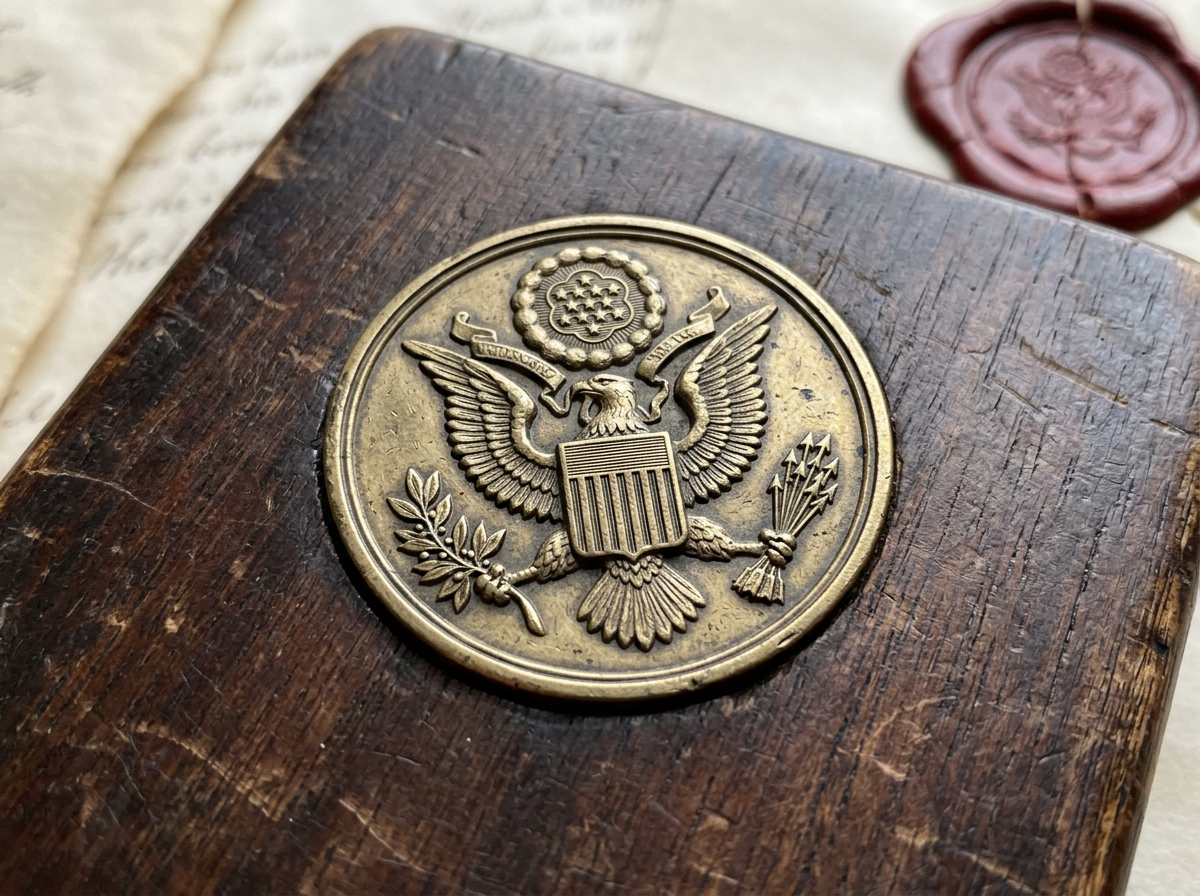
No bird officially preceded the bald eagle as America's national bird. The bald eagle has been the country's primary avian symbol since June 20, 1782, when the Continental Congress adopted the Great Seal of the United States, which features the bald eagle as its central image. That seal has represented the U.S. government on official documents ever since. There was no predecessor bird holding any comparable official status before that date.
What confuses people is that "national bird" as a formal legal title is surprisingly new. Public Law 118-206, signed on December 23, 2024, was literally the first time Congress passed a law explicitly designating the bald eagle as the national bird. Before that law, the bald eagle's status rested entirely on its role in the Great Seal and more than 240 years of cultural tradition, not a specific statute. So the question of what came "before" the bald eagle runs into the reality that the title itself didn't exist in law until 2024.
The closest thing to a predecessor bird in American popular imagination is the wild turkey. Benjamin Franklin's 1784 letter to his daughter Sarah Bache is the source of this idea, so if you’re wondering what did ben franklin want the national bird to be, it’s worth looking at what he actually wrote. He wrote that the bald eagle is "a bird of bad moral Character" and that "the turkey is in comparison a much more respectable bird." This letter is real and frequently quoted. But the turkey was never officially proposed as a national bird, and Franklin never formally lobbied Congress on the matter. Historians and outlets like HISTORY.com have confirmed there is no credible evidence Franklin protested the Great Seal's eagle design to Congress. The turkey connection is a fascinating historical footnote, not a record of a bird that was actually displaced.
A quick timeline of U.S. national bird symbolism
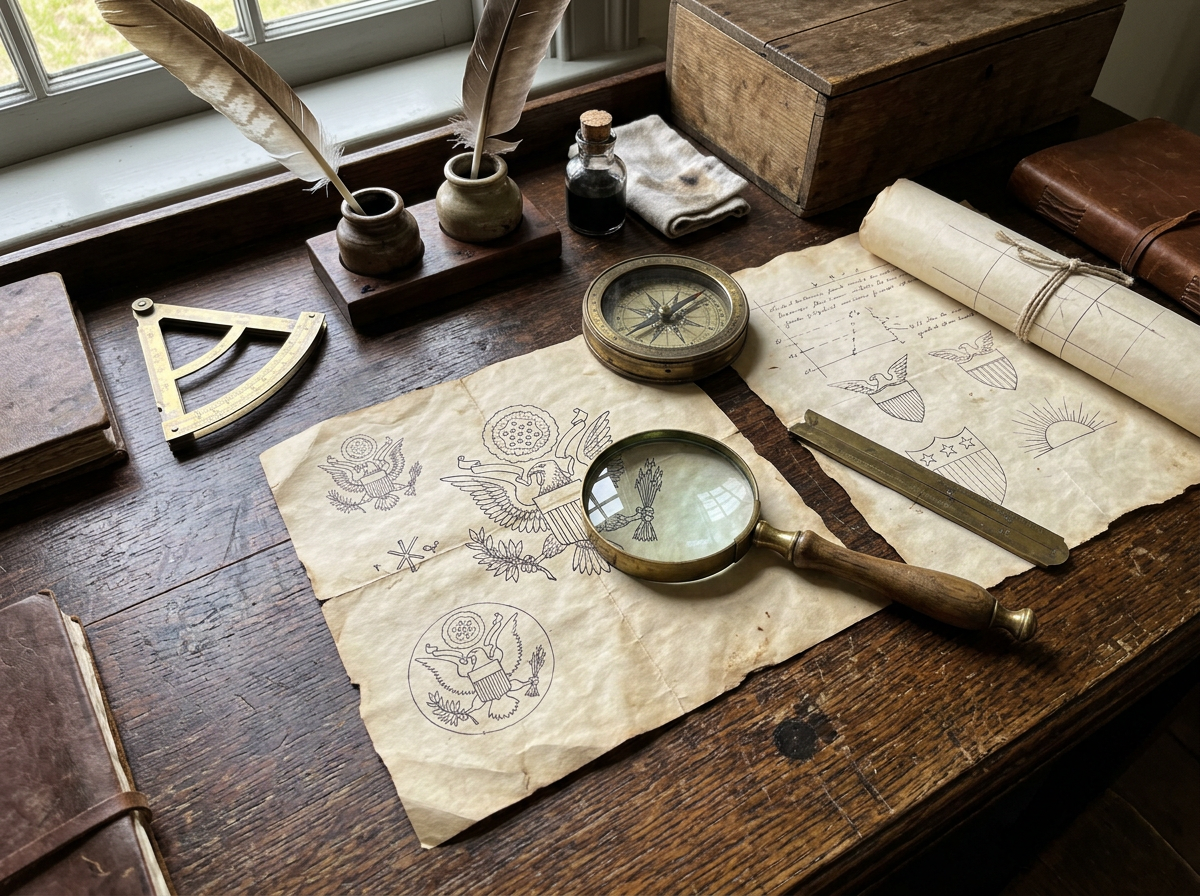
Laying out the key dates makes this much easier to follow. Here's how the bald eagle went from seal imagery to statutory national bird over more than two centuries.
| Date | Event |
|---|
| July 4, 1776 | Continental Congress appoints first committee to design a national seal; no bird is designated yet |
| 1776–1782 | Multiple design committees propose seal concepts; none are formally adopted |
| June 20, 1782 | Continental Congress adopts the Great Seal; Charles Thomson's final design places the bald eagle at its center |
| January 26, 1784 | Benjamin Franklin, in a private letter, criticizes the bald eagle and praises the turkey; this is never a formal proposal |
| 1782–2024 | Bald eagle treated as de facto national bird through cultural tradition and its role on the Great Seal, but no law formally names it |
| December 23, 2024 | Public Law 118-206 is signed, making the bald eagle the officially designated national bird of the United States for the first time by statute |
How the U.S. actually chose the bald eagle
The bald eagle ended up on the Great Seal after a long and somewhat messy design process. Congress first appointed a committee on July 4, 1776, to design an official seal for the new country. That committee and two subsequent ones submitted designs over several years, none of which Congress approved. By 1782, Secretary of the Continental Congress Charles Thomson combined elements from all three committee proposals into a final design. His version placed a bald eagle prominently on the front of the seal, holding an olive branch in one talon and a bundle of arrows in the other. Congress adopted it on June 20, 1782.
The bald eagle was chosen for specific symbolic reasons. It was native to North America, which made it feel distinctly American rather than borrowed from European heraldry. It was also seen as powerful, long-lived, and majestic. The Congress.gov bill text for the 2024 national bird designation explicitly connects the June 20, 1782 Great Seal adoption to the bald eagle's status as an enduring national symbol, treating that date as the origin point of the bird's official role.
Despite the complaints Franklin aired in private, the bald eagle stuck. It appeared on coins, government buildings, military insignia, and federal agency seals for centuries. By the time Congress passed Public Law 118-206 in December 2024, the designation was really just formalizing what had already been culturally true for 242 years.
"National bird" vs. national symbol vs. national emblem: clearing up the confusion

These three terms get used interchangeably but they actually mean different things, and that distinction matters a lot when you're trying to answer a historical question like this one.
- National bird: A bird formally or culturally recognized as representing a country. In the U.S., this was entirely informal until December 2024, when Public Law 118-206 made it statutory.
- National emblem: A broader category that includes any symbol officially representing a nation, not limited to animals. The Great Seal is a national emblem. The bald eagle on the seal is part of that emblem, but its emblem status comes from its role on the seal, not from being named a "bird."
- National symbol: The loosest term of the three. This covers anything widely associated with a country's identity, from flags to anthems to animals. The bald eagle has been a national symbol since 1782 by this definition, even when it wasn't a statutory national bird.
- Coat of arms: The front face of the Great Seal functions as the U.S. coat of arms. The bald eagle is the centerpiece of that design. Congress.gov specifically uses the phrase "coat of arms" when describing the eagle's 1782 adoption.
The practical takeaway is this: if someone says the bald eagle "became" the national bird in 1782, they're technically describing its role on the Great Seal, not a formal bird designation. If they say it became the national bird in 2024, they're talking about the statute. Both statements are defensible depending on which definition you're using, which is exactly why questions like "what was the national bird before the bald eagle" are hard to answer cleanly. The framing assumes a formal succession that never actually happened.
For readers curious about how other countries handle this, the national bird question is also surprisingly informal in many nations. Some countries have clear designations backed by law or official proclamation, while others rely entirely on tradition. That broader context is worth keeping in mind when comparing America's bald eagle story to, say, India's peacock or Guatemala's quetzal, where the selection process and formalization varied considerably.
How to verify this yourself using reliable sources
If you want to confirm any of this for a school project, a trivia question, or just personal satisfaction, these are the most trustworthy places to check and exactly what to look for in each.
- National Archives (archives.gov): Search for "Great Seal of the United States" to find the primary documentation of the June 20, 1782 adoption. The Archives describes the design history, Thomson's role, and the eagle's placement in clear, plain language. This is the most authoritative source for the 1782 date.
- Congress.gov: Search for "Public Law 118-206" or "S.4610 118th Congress" to read the exact text of the December 2024 national bird designation law. The bill's preamble explicitly states that the bald eagle was adopted on the Great Seal on June 20, 1782, and that this law is the first formal statutory designation.
- GovInfo (govinfo.gov): This is the official U.S. government publishing office site. You can access the full text of Public Law 118-206 directly here. It's a useful cross-reference if you want the signed law rather than just the congressional bill.
- The Franklin Papers or Web Exhibits (webexhibits.org): Franklin's January 26, 1784 letter to Sarah Bache is reproduced here. Read it directly and you'll see the context for the turkey comparison. Crucially, the letter is personal correspondence, not a policy document.
- HISTORY.com's article on the bald eagle: While not a primary government source, this piece is useful for understanding the myth vs. reality around Franklin's turkey advocacy. It clearly states that there is no evidence Franklin formally protested the bald eagle selection to Congress.
One practical tip: if you see a claim that a specific bird preceded the bald eagle as the U.S. national bird, ask for the primary source. If the answer is a law, a congressional record, or a document from the National Archives, it's worth taking seriously. If the answer is a chain of references that leads back to Franklin's private letter or an unsourced trivia claim, treat it with skepticism. The historical record on this is actually pretty clear once you go to the original documents.
If this topic has you curious about how America's bird compares to other national birds around the world, or why the turkey became so tied to American culture despite never being an official symbol, those threads are worth exploring further. The story of how countries choose birds to represent their national identity is rarely straightforward, and the U.S. is a good example of how tradition and official designation don't always move in step with each other.